
NFL
UPDATED SHOCK: After a recent health scare, Elon Musk confessed, “I’m not afraid of death, but of unfinished work.” He spoke of time lost with family, missions unfinished, and a quiet regret—moving millions to tears, craving the full story worldwide. 👉READ MORE:

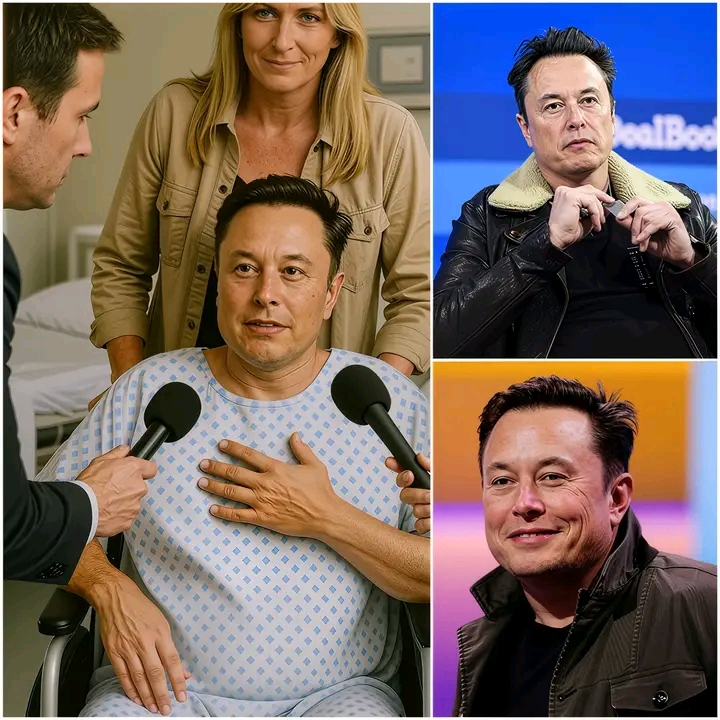
Elon Musk’s Heartfelt Confession: “I’m Not Afraid of Death, But…”
The world has long known Elon Musk as a man who thrives on risk, defies limits, and dares to dream bigger than anyone else alive. From launching rockets into space with SpaceX, to building Tesla into the most talked-about car company of the century, to envisioning a future on Mars — Musk has always appeared larger than life, unstoppable, almost untouchable.
But behind the relentless drive and groundbreaking success, Musk has always been human. And recently, when news surfaced about his severe illness, the mask of invincibility began to slip. Fans, followers, and critics alike waited anxiously for updates. Speculation spread across the internet — was this the moment the world’s most daring innovator would finally admit his vulnerability?
Then came Musk’s words.
“I’m not afraid of death,” he said in a rare, emotional interview. “But what truly scares me is leaving behind regrets… things I should have said, people I should have spent more time with, moments I let slip away.”
The confession struck like lightning. For a man known for speaking about colonizing Mars and building a future powered by artificial intelligence, his admission wasn’t about technology, rockets, or wealth. It was about love, time, and the fragile nature of life.
A Man Who Has Always Seemed Untouchable
For decades, Elon Musk cultivated an image of resilience. He slept on the floor of Tesla’s factory during production crises. He endured ridicule when SpaceX rockets exploded on live television. He poured his personal fortune into projects others dismissed as impossible. Each time, he came back stronger.
To the public, Musk seemed like a man who couldn’t be broken. Even when personal scandals and controversies swirled around him — from high-profile breakups to social media storms — he moved forward as if nothing could stop him.
But illness changes everything. When whispers began about Musk facing serious health issues earlier this year, the narrative shifted. Suddenly, the man who always seemed more machine than mortal revealed a softer, deeply human side.
The Weight of Regret
In his confession, Musk admitted that his greatest fear wasn’t death itself, but dying with regrets.
“I’ve spent so much of my life trying to change the world,” he said, “that I sometimes forgot about the world right in front of me. My children. My family. My closest friends. Time is the one thing even I can’t build more of.”
It was a moment of raw honesty. Musk, who once spoke about humanity’s destiny among the stars, now admitted that what truly mattered were the people closest to him — and the time he couldn’t get back.
He spoke about missed birthdays, canceled vacations, and sleepless nights spent obsessing over projects. He shared how he sometimes wonders what his children will remember most: the rockets, the fame, the legacy… or the absence.
Millions of fans who have followed Musk’s every business move were left in tears. For once, the billionaire wasn’t talking about the future of AI or Mars colonization — he was talking about being a father, a son, a human being grappling with the brevity of life.
Facing Mortality
Musk revealed that his illness forced him to confront his own mortality in ways he had avoided.
“When you’re lying in a hospital bed, and the machines are beeping, you realize how fragile it all is. The power, the money, the headlines — none of it matters in that moment. What matters is who’s sitting beside you, holding your hand.”
Advertisement
These words shocked the world because they were so unlike Musk’s usual tone. Normally bold, brash, and unapologetically ambitious, Musk now sounded vulnerable. Almost fragile.
And yet, perhaps it was this honesty that made his confession so powerful. Fans and critics alike felt a deep connection to his words because they echoed a universal truth: no matter how successful, wealthy, or visionary someone may be, life is fragile — and time is precious.
The Public Reaction
The reaction was immediate and overwhelming. Social media exploded with messages of support, love, and reflection. Hashtags like #StayStrongElon and #LifeIsShort trended worldwide. Many fans admitted they saw their own lives reflected in Musk’s confession — the missed family dinners, the relentless pursuit of success, the quiet sacrifices that add up over time.
Even some of Musk’s harshest critics softened, admitting that his vulnerability was both surprising and moving.
“He’s always been controversial,” one fan wrote, “but this was the first time I felt like I understood the man behind the genius. We all fear regret. We all want more time.”
A New Perspective
While Musk did not reveal the exact nature of his illness, his comments suggest that it was serious enough to make him pause, reflect, and reconsider the balance of his life.
“I want to keep building,” he said. “I want to keep dreaming. But I also want to live. To laugh more. To love more. To be there — really be there — for the people who matter most.”
For a man who has always been defined by his ambition, this shift in perspective felt seismic. Musk admitted that he doesn’t plan to slow down entirely — after all, his projects are still his life’s passion. But he made clear that he wants to make room for something just as important: connection.
A Universal Reminder
Elon Musk’s confession wasn’t just about him. It was a mirror held up to the rest of the world. In his words, millions of people saw their own struggles — the tension between work and family, ambition and love, dreams and regrets.
It served as a reminder that no one, not even the world’s richest man, can escape the reality of time slipping away.
“We can build rockets, cars, and AI,” Musk said, “but we can’t build more time. That’s the one resource even I can’t invent.”
The Man, Not Just the Myth
As the interview came to a close, Musk left the world with a haunting but inspiring message:
“Don’t wait until you’re sick to realize what matters. Don’t wait until you’re old to say the words you should have said years ago. Don’t waste the only life you’ve been given.”
For once, it wasn’t about Tesla, SpaceX, or Neuralink. It wasn’t about Mars or electric cars. It was about life itself.
Elon Musk — the man so often seen as superhuman — reminded the world that he is, in fact, just human. And in doing so, he gave the world a gift far greater than rockets or cars: a wake-up call to cherish the time we have, and the people we love, before it’s too late.

Georgia pastor has gone viral after a sermon in which he urged Christians to pray for Donald Trump, saying he believes God is “using” the president in ways that may be difficult for people to understand.

Outrage grows over Trump’s comments on deadly ICE shooting 😠

Angelina Jolie says she had the ‘best sex’ ever with Denzel Washington

SHOCKING LIVE TV MOMENT FROM NINERS: “HE’S JUST A FOOTBALL PLAYER, HE’S JUST A FOOTBALL PLAYER, THE ONE WHO GOT HIS TEAM ELIMINATED FROM THE PLAYOFFS

One sentence was all it took to spark global outrage. Elon Musk faced intense backlash after publicly calling his transgender daughter his “mentally ill son.” The comment quickly went viral, with people across social media condemning both the language he used and the dismissive tone behind it.

2 BILLION VIEWS — ELON MUSK & ERIKA KIRK JUST BROKE THE INTERNET! The debut of “The Charlie Kirk Show” didn’t just premiere — it exploded. Elon Musk said something that left Erika Kirk speechless… and what happened next has the internet on fire. 👀 Fans are calling it “the most important conversation of the decade”, but it’s what Musk whispered off-camera that has everyone talking — and no one was supposed to hear it. More details can be found in the comments

“YOU NEED TO BE SILENT!” — Joy Behar’s Attack on Kid Rock EXPLODES Online After He Reads Every Word on Live TV… and the Studio Falls DEAD SILENT.

UPDATED SHOCK: After a recent health scare, Elon Musk confessed, “I’m not afraid of death, but of unfinished work.” He spoke of time lost with family, missions unfinished, and a quiet regret—moving millions to tears, craving the full story worldwide. 👉READ MORE:

“Serena Williams and Her 4-Year-Old ‘Mini Me’ Olympia Go Head-to-Head on the Tennis Court in Adorable Matching Outfits—Who Wins?” 👉👉:

Why Trump is Starmer’s worst nightmare

The Mayor of San Francisco has signed a reparations bill, saying he wants to be the first white elected official to formally push for compensation to Black Americans for the lasting damage of slavery. However, the city doesn’t have the funds to cover the plan on its own. The mayor is now urging Congress to step in and help finance the program. His proposal aims to provide up to $5 million per eligible Black resident, arguing that the payment could be a starting point toward healing the historical trauma and injustice caused by slavery. (Debate online is already heated, with supporters calling it overdue accountability — and critics questioning feasibility and fairness.
